
A plant manager in Sharjah once told me he replaced the same gearbox three times in eighteen months before someone finally asked him the right question: what’s the actual load on this thing? Turns out nobody had checked. The gearbox was not faulty. It was just wrong for the job.
Choosing an industrial gearbox feels simple on paper, match the specs, place the order, done. But in real factories and warehouses across the UAE, wrong gearbox selection quietly eats budgets every single day through downtime, early failure, and mismatched torque.
This blog walks through what actually matters when picking a gearbox for your machinery, without drowning you in engineering jargon. By the end, you will know exactly what questions to ask before you buy one.
Objective
To help procurement teams, plant engineers, and business owners choose a gearbox that fits their actual application, not just their budget, by breaking down load, ratio, mounting, and maintenance factors in plain language.
Why Gearbox Selection Actually Matters
A gearbox does one job. It takes the speed and power coming out of a motor and converts it into something the machine can actually use. Motors spin fast but don’t have much torque on their own. Gearboxes fix that imbalance.
Get this wrong and you’re looking at overheating, noisy operation, premature gear wear, or a full breakdown mid-shift. In industries like cement, packaging, or material handling, that downtime isn’t just annoying. It’s expensive.
Here’s the part most buyers miss. A gearbox motor setup that works beautifully for a conveyor belt might completely fail on a mixer application. Load type changes everything.
Key Takeaways
- Match the gearbox to your actual load conditions, not just horsepower on paper
- Mounting position and shaft orientation affect long-term durability more than people realize
- Worm gearboxes suit cost-sensitive, lower-duty jobs; helical types handle continuous heavy loads better
- Local climate and duty cycle should factor into material choice
Understanding Load and Torque First
Before anything else, figure out what the gearbox needs to handle. Torque requirements depend on the weight being moved, the speed needed, and how often the machine starts and stops.
A conveyor running slow and steady all day has very different needs than a mixer that starts and stops repeatedly under heavy resistance. Shock loads, the sudden jolts machines get during startup, matter a lot here too. Ignore this and even a well-built gearbox will wear out fast.
Ask your supplier for the duty cycle rating, not just the horsepower number. Most buying mistakes trace back to skipping this step.
Types of Industrial Gearboxes and Where They Fit
Different gearbox designs exist because different machines need different things. Here’s a rough breakdown based on what we’ve seen work across UAE industrial setups. Worm gearboxes are compact, quiet, and budget-friendly. They’re a solid pick for lighter, intermittent-duty applications like small conveyors or packaging lines. The tradeoff is lower efficiency compared to other types.
Helical gearboxes run more efficiently and handle continuous heavy-duty operation better. Cement plants, cranes, and automation-heavy production lines usually lean toward these. Bevel helical units are useful when you need to change the direction of power transmission, often by ninety degrees, while still handling a decent load.
Planetary gearboxes pack high torque into a compact size. Construction machinery and heavy lifting equipment often rely on these because space is tight but power demand is high.
Mounting and Shaft Configuration
This part gets overlooked constantly. Mounting position isn’t just about fitting the gearbox into available space. It affects lubrication, heat dissipation, and how evenly the load gets distributed across the gears.
Foot-mounted units work well for standard horizontal setups. Flange-mounted gearboxes suit vertical or space-limited installations. Shaft-mounted types are common on conveyors because they simplify alignment.
Getting shaft orientation wrong doesn’t always cause immediate failure. Sometimes it just shortens the gearbox’s working life by years without anyone noticing until it’s too late.
Climate, Environment, and Material Choice
UAE heat is brutal on machinery, and gearboxes are no exception. Aluminum and cast iron housings hold their shape better under high outdoor temperatures compared to cheaper alternatives.
Dusty environments, common on construction sites, also demand proper sealing to keep contaminants out of the gear housing. A gearbox that performs fine in a climate-controlled facility might struggle badly outdoors in Sharjah’s summer without the right protective rating.
What About Gear Motor Electric Units?
A lot of buyers ask about combined gear motor electric units instead of buying a motor and gearbox separately. These integrated units simplify installation and often improve alignment accuracy since everything’s pre-matched at the factory.
They’re worth considering when you’re setting up new equipment from scratch. For replacements on existing machinery though, matching an existing motor to a compatible gearbox usually makes more practical sense.
Compatibility with Existing Systems
Not every gearbox fits every setup. If you’re replacing an old unit, check whether the new gearbox matches your existing motor’s mounting flange, shaft diameter, and input speed. Mismatches here cause installation headaches and sometimes force unnecessary motor replacements too.
Suppliers who stock cross-compatible options, like series that fit standard VF or NMRV mounting patterns, save buyers from redesigning entire machine assemblies just to swap one part.
Finding a Reliable Supplier
Searching Gear motor near me gets you a list, but not all suppliers offer the same technical support. What actually matters is whether the supplier can help size the gearbox correctly for your load, mounting, and environment, not just sell you a catalog number.
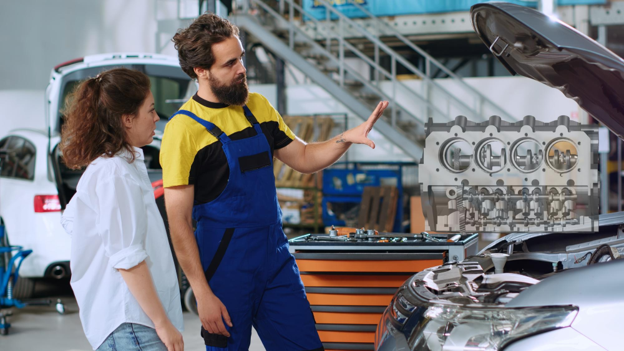
Ask about after-sales support too. Gearboxes need occasional servicing, and having a supplier who understands refurbishment saves money long-term compared to full replacements every time something goes wrong.
Common Mistakes to Avoid
Buyers frequently choose based on price alone without checking the service factor or duty cycle compatibility. Others skip verifying shaft dimensions against existing equipment, leading to costly rework during installation. Ignoring ambient temperature ratings is another frequent slip, especially in outdoor GCC installations where heat exposure is constant.
Conclusion
Picking the right gearbox isn’t about finding the cheapest option or the biggest brand name. It comes down to understanding your actual load, environment, and how the machine runs day to day. Get the fundamentals right, torque, mounting, material, and duty cycle, and the gearbox will outlast expectations rather than becoming another recurring repair bill.
For businesses across the UAE looking for genuine guidance rather than just a product list, Everest Electrical & Mechanical Equipment works directly with clients to match the right gearbox and motor combination to their specific application, backed by real technical support rather than guesswork.
FAQs
How do I know what size industrial gearbox I need?
Size depends on your load weight, required output speed, and duty cycle. Suppliers typically calculate this using torque and service factor ratings rather than horsepower alone.
What’s the difference between a gearbox motor and a standard motor with separate gearbox?
A gearbox motor is a pre-integrated unit combining motor and gearbox in one housing, while a separate setup allows more flexibility to match components individually for existing machinery.
How often should an industrial gearbox be serviced?
Most gearboxes need inspection every six to twelve months depending on duty cycle and environment, with oil changes and seal checks being the most common maintenance tasks.
Can I replace just the gearbox without changing the motor?
Yes, as long as the replacement gearbox matches your existing motor’s shaft diameter, mounting flange, and input speed requirements.